Additive Manufacturing & 3D Printing News Roundup (January 6–30, 2026)
Posted in :

Industry News
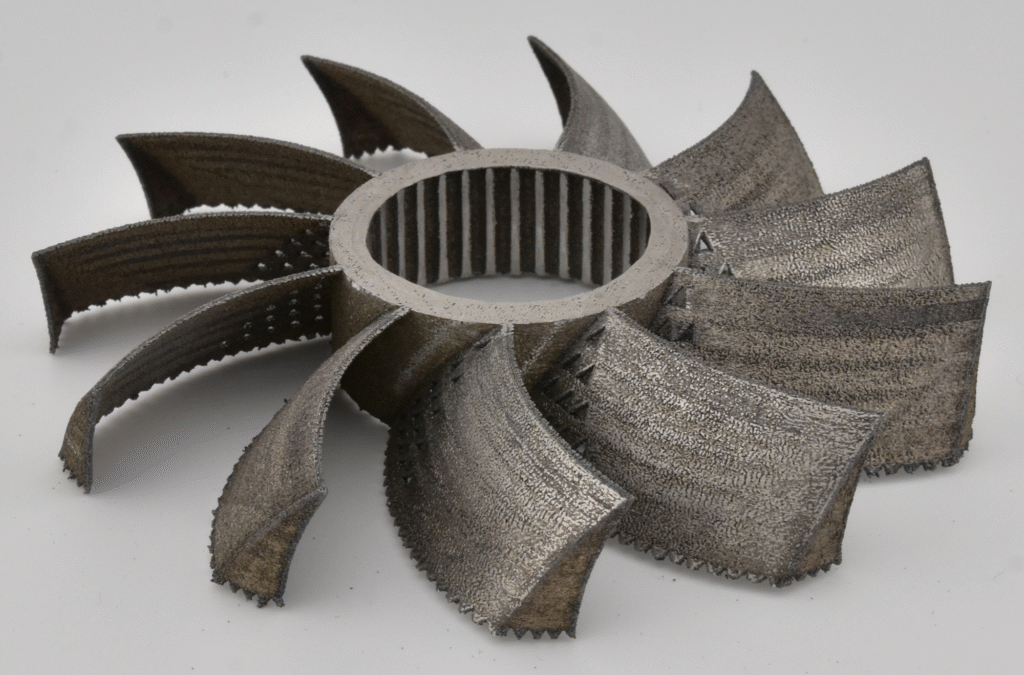
VulcanForms raises $220M to scale integrated digital metal manufacturing — VulcanForms closed an oversubscribed $220M Series D round led by Eclipse and 1789 Capital to expand domestic production capacity. The funding supports vertically integrated metal AM paired with machining, inspection, and digital workflow control—aimed squarely at aerospace, defense, and medical markets. The raise reinforces investor confidence in end-to-end “digital factory” models despite tighter capital markets.
Hadrian launches additive manufacturing division — Hadrian announced a dedicated additive manufacturing unit positioned around qualified production rather than prototyping. The move integrates AM into Hadrian’s automation-heavy factory model for defense and aerospace supply chains. Strategically, it signals that AM is becoming a core manufacturing capability alongside CNC and automation, not a peripheral technology.
Velo3D signs US Army CRADA to qualify complex AM parts — Velo3D entered a Cooperative Research and Development Agreement with the U.S. Army’s DEVCOM Ground Vehicle Systems Center to develop and qualify complex metal parts. The collaboration focuses on production-ready qualification and supply-chain resilience rather than experimental geometry. This reinforces the growing DoD preference for AM solutions bundled with qualification frameworks, not just machine deployments.
New Products & Technologies
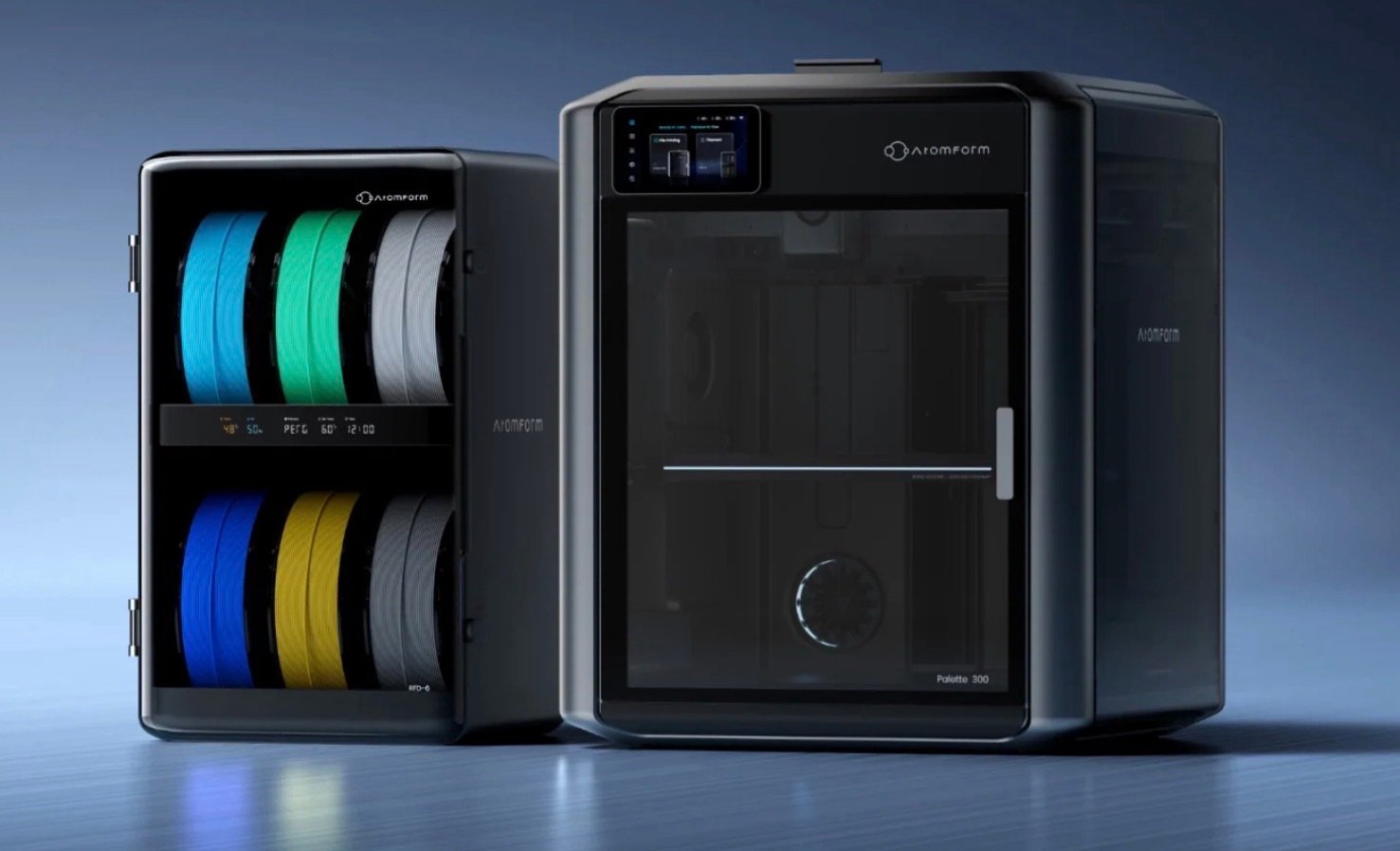
AtomForm unveils 12-nozzle Palette 300 multi-material 3D printer at CES 2026 — AtomForm introduced the Palette 300 featuring 12 dedicated nozzles supporting up to 36 colors or 12 materials with minimal purge waste. With a 300 mm cubed build volume and high-speed motion system, the printer targets serious prosumers and small studios. Its significance lies in pushing tool-changing architectures toward mainstream reliability expectations.
Creality showcases AI-enhanced SPARKX i7 — Creality highlighted usability improvements including multi-color printing, AI-assisted monitoring, and faster maintenance workflows. The company continues to emphasize ecosystem lock-in through cloud services and software integration. Market impact will depend on long-duration print reliability and whether AI features meaningfully reduce failure rates.
Metal-Base pre-launches sub-€10,000 LPBF metal 3D printer — Metal-Base announced plans for a compact laser powder bed fusion system priced below €10,000. While headline pricing is disruptive, total cost of ownership—including powder handling, safety infrastructure, and post-processing—remains the key challenge. If executed credibly, the system could broaden academic and early-stage industrial access to LPBF.
Ohsung System debuts GAUSS MT90 paste metal printer — The GAUSS MT90 employs paste-based metal extrusion using sealed cartridges to reduce powder-handling complexity. Targeting R&D and office-friendly environments, the system shifts operational burden toward debinding and sintering workflows. It reflects continued interest in lower-barrier metal AM approaches for functional prototyping.
Regulatory & Standards Updates
U.S. blocks additive manufacturing systems tied to China, Russia, Iran & North Korea from defense procurement — Section 849 of the FY2026 National Defense Authorization Act restricts the Department of Defense from procuring additive manufacturing systems linked to designated foreign adversaries. The provision elevates AM hardware and software provenance to a national security concern. For suppliers, it increases compliance requirements and reshapes sourcing strategies for defense programs.
ASTM Additive Manufacturing Center of Excellence supports US–UK defense interoperability — ASTM’s AM Center of Excellence announced an America Makes-funded project focused on harmonizing AM standards between the U.S. and UK defense sectors. The initiative targets qualification, data exchange, and certification alignment. It signals growing international coordination around defense-grade AM requirements.
FDA updates Quality Management System Regulation ahead of Feb 2, 2026 effective date — The FDA reiterated guidance on its transition to the Quality Management System Regulation, incorporating ISO 13485:2016. For medical AM producers, this reinforces the need for validated workflows, documentation discipline, and supplier controls. Compliance readiness remains critical as enforcement approaches.
Research & Academic Insights
Exploring the actual stacking height of metal powder bed in LPBF — This peer-reviewed study examines discrepancies between nominal and actual powder layer thickness in LPBF. Findings highlight how powder spreading behavior influences melt stability and porosity risk. The work supports more accurate process modeling and parameter development for production LPBF.
Design guidelines for LPBF of TPMS structures for smart reactors — Researchers developed manufacturability-focused design rules for printing 316L TPMS structures. The study identifies practical limits for curvature, wall thickness, and self-support behavior. Its relevance extends to heat exchangers, reactors, and energy systems where predictable lattice performance is critical.
Fully biodegradable printed electronic sensors from biomass-derived graphene inks — This work demonstrates humidity sensors printed on agricultural paper substrates using renewable graphene inks. Performance metrics show viable response and recovery behavior alongside end-of-life biodegradability. It highlights additive manufacturing’s role in sustainable electronics and functional printing.
Sector Applications
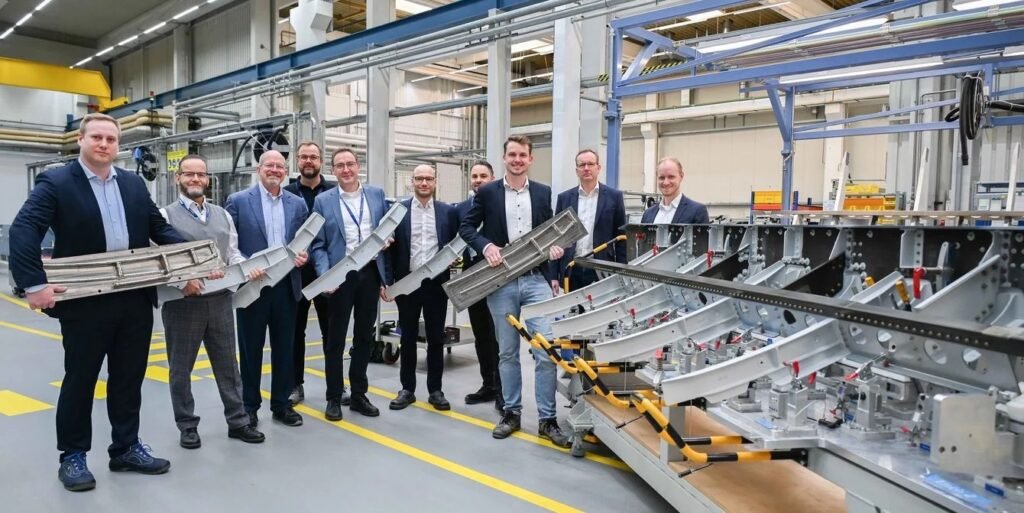
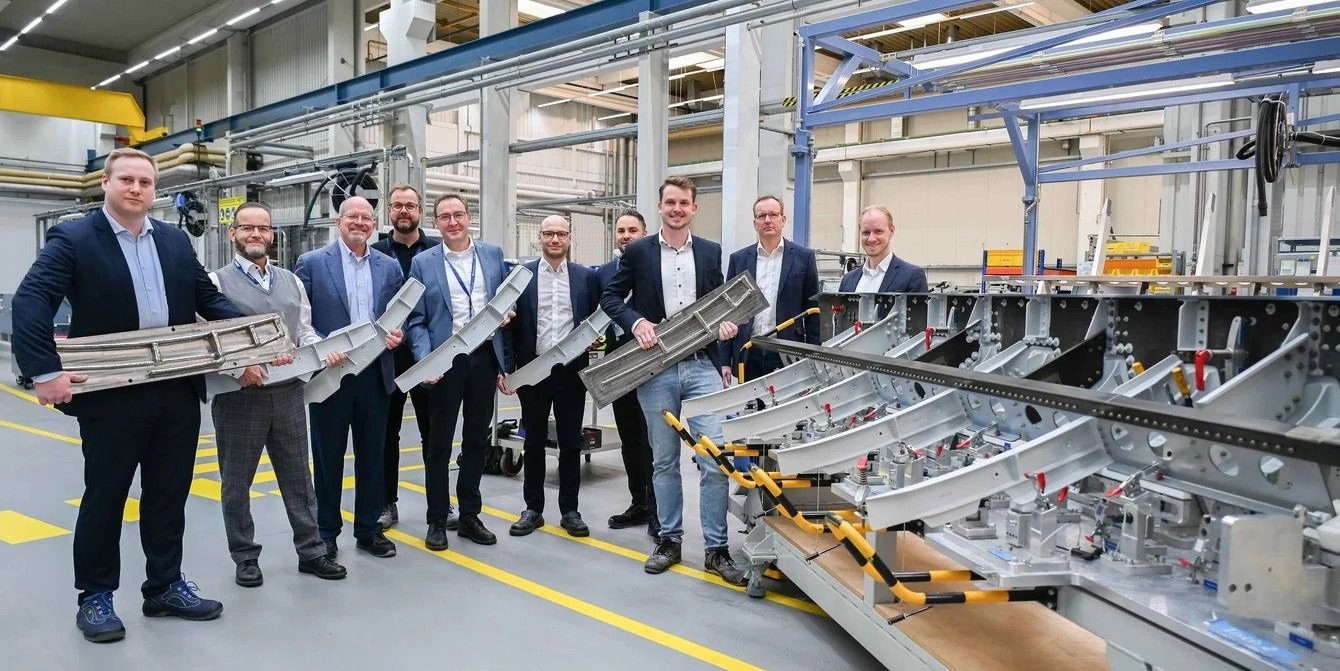
Aerospace: How Airbus is pioneering aircraft manufacturing with titanium 3D printing — Airbus reported serial production use of titanium DED parts on the A350, demonstrating maturation from pilot projects to certified aircraft hardware.
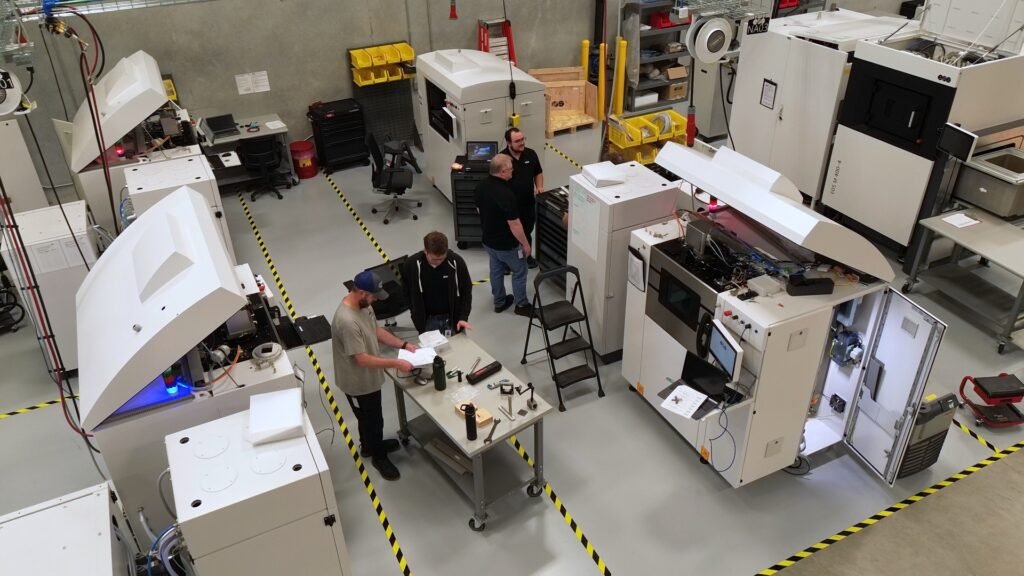
Medical/Dental: CurifyLabs introduces PharmaPrinter Aurum for faster precision compounding — The system accelerates patient-specific pharmaceutical compounding, reinforcing the convergence of AM with regulated healthcare manufacturing.
Defense/Consumer: Velo3D develops qualified AM parts with US Army via CRADA — Defense qualification remains a near-term demand driver for metal AM, while consumer attention focused on multi-material reliability showcased at CES 2026.
Social Chatter: Discussion during this period centered on CES 2026 hardware announcements, particularly multi-nozzle and multi-material systems and their real-world reliability. Metal AM generated buzz around “accessible metal” claims, paired with skepticism about post-processing and safety realities. Across Reddit and YouTube, slicer stability, long-print failure mitigation, and waste reduction dominated user conversations.